

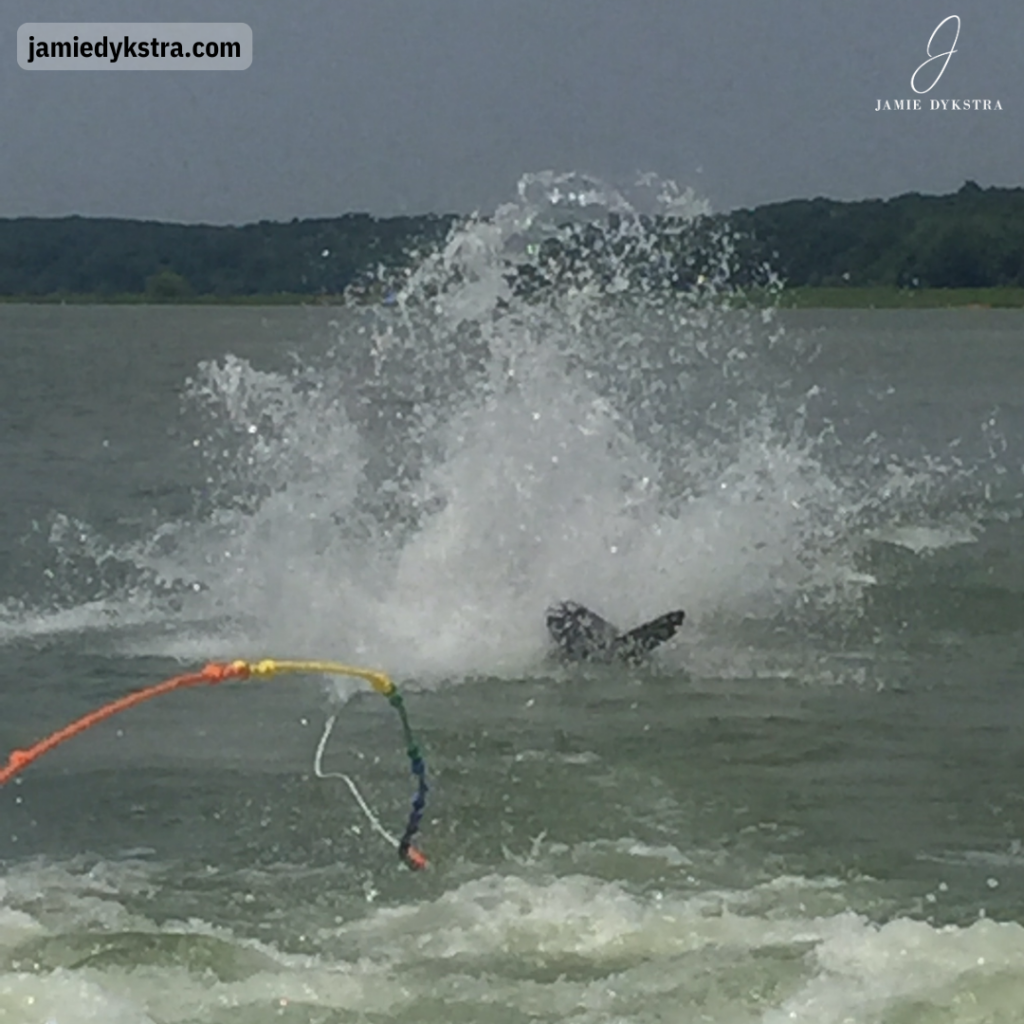
When I left corporate finance and project management, I thought I was done with the ebbs and flows of my workload. Navigating quarter-ends and year-ends. The final push of a project. The general fluctuations that come with the territory of each job.
Turns out, I just couldn’t stay away. I’ve learned that life as a writer is quite similar. The challenging part… the ebbs and flows are less predictable. Sometimes there will be a lot of space depending on the demands and pace of each project. Sometimes, it will feel like it’s all piled up at once.
I’ve learned that I’m grateful for these variations. It’s lovely to have so much space at times. But I’ve also grown to appreciate the surges because I have the opportunity to do impactful work for really awesome people!
For any other writers (or professionals in general) out there learning to keep their head above water when the work piles up, here’s the wisdom I’ve acquired in getting through them.
Strategically Planned Days
I am freshest in the morning. I know this, so it means I plan my days accordingly. I get my most challenging writing done first, and I save lower mental output activities for the afternoon. I get slightly more energy back in the evening and nighttime if I need to work during that time, and so I account for that as well. (Truth is… if I’m working at night, I’m probably just running on adrenaline).
Strategically planned days start with being organized. To do this requires being intentional about what you’re getting done in your day and the order you’re getting it done. Opening up your laptop and reacting to the work that is there or in your emails is a quick way to get derailed.
I plan my days by creating a comprehensive to-do list at the beginning of the week. I then take that to-do list and slot in things that definitely need to be done on specific days that week based on deadlines. Then, each morning, I take a look at what’s already scheduled and what else I want or need to get done. I slot those activities in accordingly.
Now, let’s be honest. Sometimes, this level of organization feels challenging if you’re constrained on time. You can set up organizational systems ahead of time as well that can help with this. For example, for books, I’ve started making trackers for the projects. During my most recent push, I wasn’t writing down literally every to-do that I had related to that project just to check it off. But I already had my tracker made, which I could use to serve as my roadmap, without any extra work.
Everyone has their own systems, but the key is to be intentional about how you fill your days.
Take Breaks
Sometimes, when navigating a surge, it feels like an inconvenience to leave my computer to walk the dog or have a proper meal with others. But I’ve come to realize how blessed I am for those breaks in the action.
Without my dog, I’d probably not even make it outside when I’m really heads down and focused on my work. But our walks together are the perfect refresh. They create time and space for me to get fresh air, take a brain break, and let new ideas flow. Plus, being silly with him to make sure he’s having fun always puts me in a great mood.
Intentional breaks actually allow me to have more stamina to continue the work afterwards. The key here, though, relates to those strategically planned days. Breaks are most effective when thought about intentionally. They can serve the opposite purpose if they spiral into scrolling social media, binging a TV show, etc.
But, please!! When a surge of work hits…. Touch grass, eat good food, take care of yourself.
Mix in Some Treats
A great way to maintain the energy and willpower to keep going through a surge is to create some variety and motivation for yourself. Intrinsic motivation is the ideal, but sometimes it’s nice to supplement it with other fun things as well.
For example, I worked all day on Super Bowl Sunday (except for walking the dog, meals, etc.). While I’m a sports nut, I’ll admit that I wasn’t too invested this year. So I powered through work for the duration of the day.
It was worth it, but what helped was the promise of mixing in something I was excited about. I splurged and ordered my favorite Thai food for dinner. I got a spread for myself. I looked forward to it all day and really savored that break. The tools we use to add some variety and excitement to these heavy work days don’t have to be big. Small things make a big difference.
That being said. Big things can also serve as a great motivator. Have a vacation coming up? Thinking about getting through work now to have a clearer to-do list heading into the break always helps me to get focused and energized.
All this being said, I’m a huge proponent of work-life balance. I started my business to have the autonomy to make my own schedule, travel however much I want, etc. I’ve seen how much this balance has benefited me, and I encourage everyone out there to keep things in perspective and prioritize creating space, time, and boundaries for themselves. That being said, I’m a realist. I know there are times that pop up where things pile up, and I hope these tactics help you navigate those times.
I’d love to start adding to my next pile!! If you’ve been considering writing a book but are crunched for time yourself, let’s chat about how I could support you on that journey.
Disclaimer: This blog should not be construed as providing, or intending to provide professional financial, legal, psychological, or other professional advice. It is simply meant to share my experiences with those who may find them relatable and helpful.